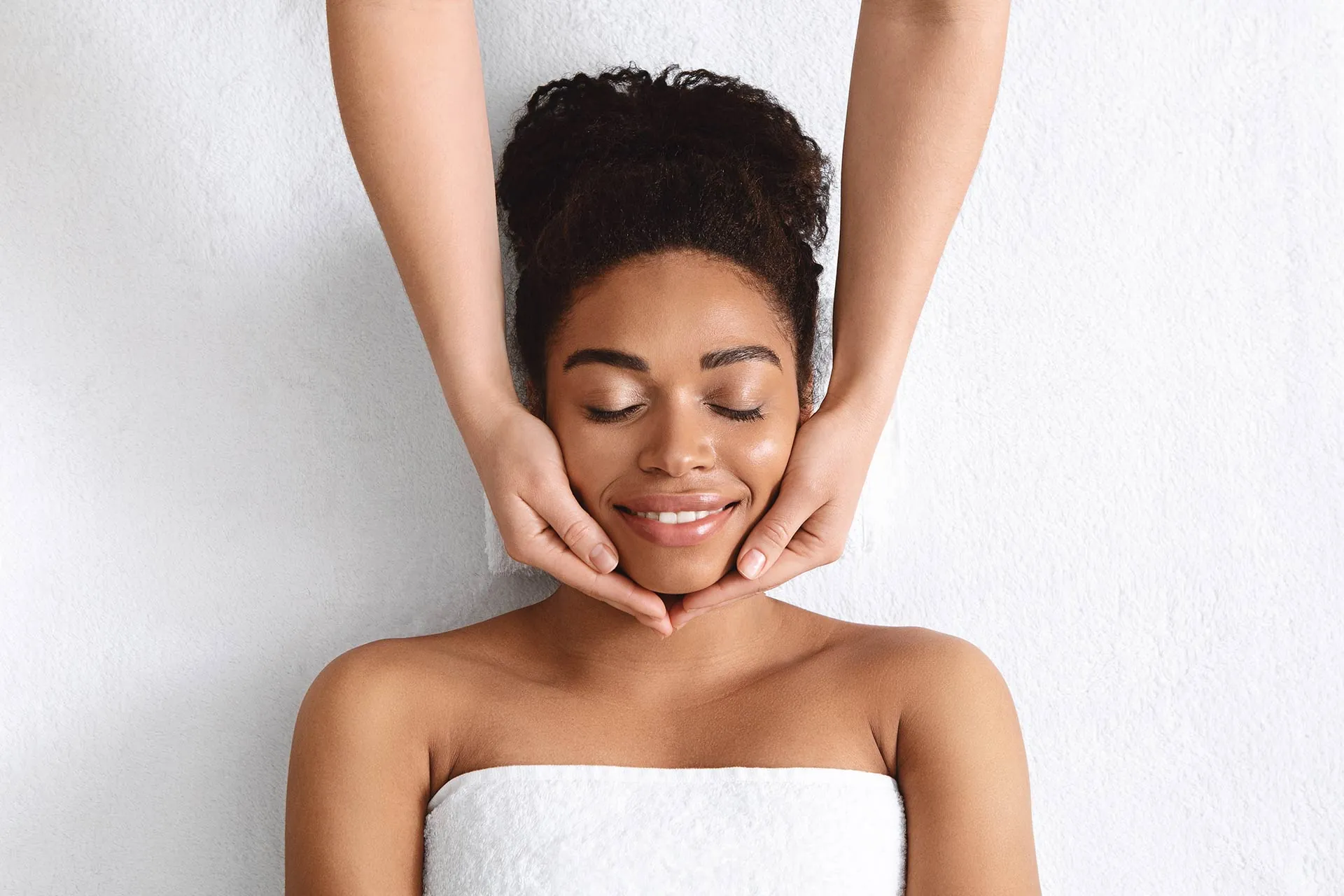
Stress is a part of everyday life. Work pressure, family problems, and constant noise around us can make anyone feel overwhelmed. When stress builds up for too long, it turns into anxiety. And anxiety is not easy to carry. Your body feels heavy, your mind races, and sleep becomes a distant dream. But there’s a simple, natural way to find calm again, through reflexology massage. It doesn’t require medicine or complicated procedures. Just the right pressure on the right points, and your body starts to breathe again.
What Is Reflexology Massage?
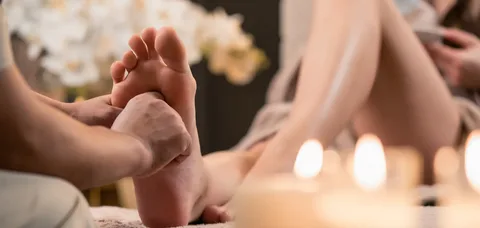
Reflexology is a type of massage that focuses on your feet, hands, and ears. The session uses gentle, targeted pressure and is offered as a relaxation-focused wellness service. It’s not magic, it’s a technique practiced for thousands of years across many cultures. Today, more and more people are turning to it as a trusted way to ease stress and anxiety without any side effects.
How Does It Help With Stress?
It Calms Your Nervous System
Your nervous system is like the control center of your body. When you’re stressed, it goes into overdrive. Reflexology sends gentle signals to your brain through pressure points, which tells your body it’s time to slow down. Many people fall asleep during a session because their body finally feels safe enough to rest. That kind of deep relaxation is hard to find in our busy world.
It Reduces Cortisol Levels
Cortisol is your stress hormone. When it stays high for too long, it causes problems with poor sleep, weight gain, low energy, and even depression. Reflexology has been shown in many studies to help lower cortisol levels naturally. After just a few sessions, people often report sleeping better and feeling lighter throughout the day. It’s one of the most gentle ways to support your hormone balance without putting anything into your body.
It Improves Blood Flow
Reflexology uses gentle pressure in a calm setting. Clients can choose it when they prefer a light-touch, relaxation-focused session centered on the hands or feet. Many therapists who offer Swedish massage therapy also recommend reflexology as a great starting point for people new to massage therapy.
Benefits Beyond Stress Relief
Better Sleep Quality
One of the first things people notice after regular reflexology sessions is that they sleep better. Anxiety often keeps the mind running at night, making it impossible to rest. Reflexology helps switch your body into its rest-and-repair mode. It activates the parasympathetic nervous system, which is responsible for deep, healing sleep. When you sleep well, everything else in life gets easier. Your mood improves, your focus sharpens, and your stress levels drop naturally.
Relief From Physical Tension
Stress doesn’t just live in your mind. It stores itself in your shoulders, your neck, your lower back, and even your jaw. Reflexology helps release this stored tension by working on the pressure points that connect to those areas. You might be surprised at how much tension you’ve been holding without even knowing it. After a session, your body feels lighter and more open. This physical release often brings emotional relief too, as the body and mind are deeply connected.
A Good Partner to Other Therapies
Reflexology works beautifully alongside other wellness practices. If you’re already doing yoga, meditation, or breathing exercises, reflexology can deepen those benefits. Some therapists also combine it with lymphatic massage to help the body release toxins and reduce inflammation simultaneously, giving your system a full reset. When you combine these approaches, the results are often much stronger and longer-lasting than any single method alone.
Who Can Benefit From Reflexology?
It’s for Almost Everyone
Reflexology is gentle enough for most people. Whether you’re a busy parent, a student under pressure, an office worker dealing with deadlines, or someone going through a difficult season of life, this therapy meets you where you are. It doesn’t require any special fitness level or health condition. Even people who feel too tired or too anxious to exercise can benefit from reflexology because it’s completely passive. You lie back and let the therapist do the work.
Starting Your Reflexology Journey
If you’ve never tried reflexology before, the best first step is to find a certified therapist you feel comfortable with. Talk to them about what you’re feeling: stress, anxiety, poor sleep, or general tension. A good therapist will listen and design each session around your specific needs. You can also explore therapeutic foot massage techniques to learn more about what to expect before your first appointment. Starting is the hardest part, but most people wish they had started sooner.
Final Thoughts
Stress and anxiety are real. They affect millions of people every day. But you don’t have to live with them forever. Reflexology is offered for relaxation and general wellness. It is not a medical treatment and should not replace advice or care from a qualified healthcare professional.
Frequently Asked Questions
Most people benefit from one session per week at the start. Once you feel better, you can move to once or twice a month to maintain the results.
No, it should not hurt. You may feel some pressure or sensitivity on certain points, but a good therapist always works within your comfort level. Tell them if anything feels too strong.
Available session lengths are shown during booking. Choose the option that fits your preferences and schedule.
Yes, basic techniques can be done at home on yourself or with a partner. However, for deeper results, especially for anxiety, it’s best to see a trained and certified professional.
Some reflexology techniques are safe during pregnancy, but certain pressure points must be avoided. Always consult your doctor first and work only with a therapist trained in prenatal reflexology.