
Deep Tissue Massage
Deep Tissue Massage at Healing Hands is designed to Deep tissue sessions focus on deeper layers of muscle and connective tissue, with pressure tailored to your comfort.

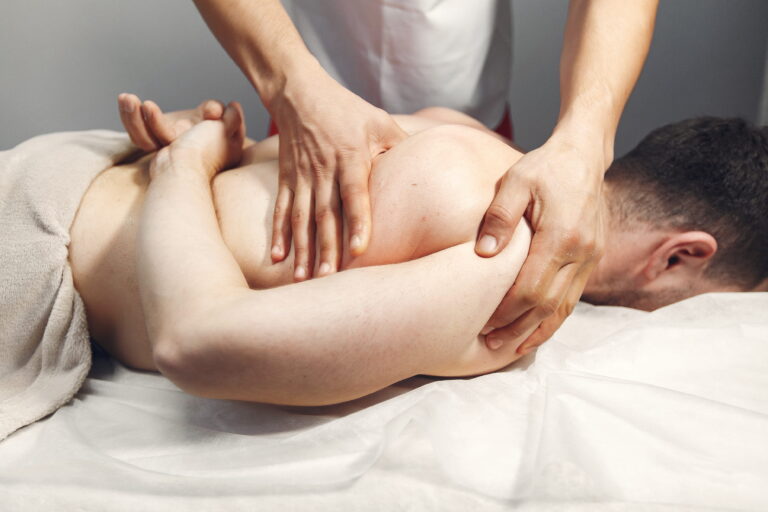
Deep Tissue Massage for Relief and Recovery
Deep tissue massage is a bodywork technique that targets the deeper layers of muscle and connective tissue, using slow, firm pressure. It is often paired with trigger point techniques, which focus on specific areas of tension within the muscle.
Use our Swedish vs Deep Tissue comparison to compare pressure, session feel, and goals before choosing.
At Healing Hands, each Deep Tissue Massage session is personalized according to your comfort level and specific needs. The combination of deep tissue work and trigger point techniques allows for a more targeted approach. Many clients report feeling more relaxed after a session, with reduced muscle tightness and easier movement, though individual results vary.
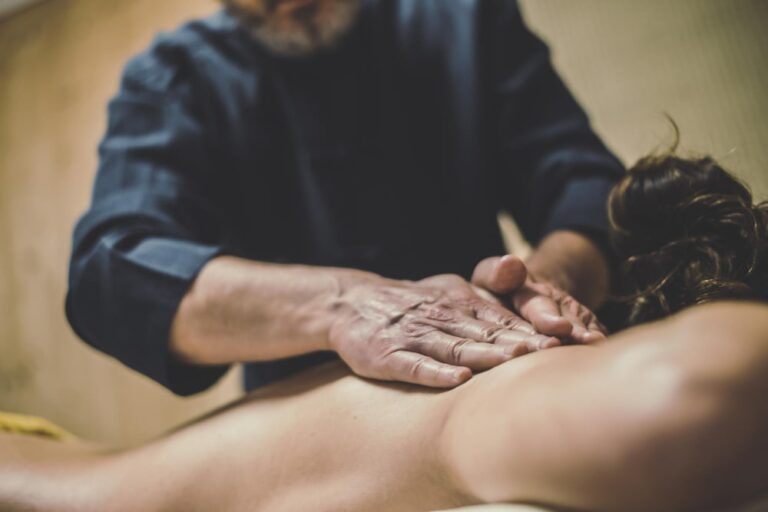
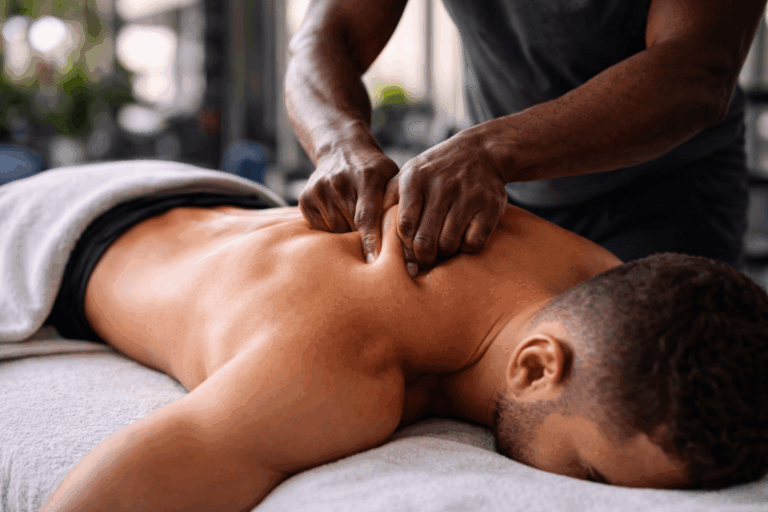
what are the benefits ?
- Firm, Targeted Pressure
- Adjusted to Your Comfort
- Focused on Areas of Tension
Deep Tissue Massage at Healing Hands uses slow, controlled pressure to work through the deeper layers of muscle and connective tissue. Each session is personalized based on your comfort level and the specific areas you want addressed, rather than a generic full-body routine.
Frequently Asked Questions
Deep tissue work uses slower strokes and more concentrated pressure to reach muscle layers beneath the surface, while Swedish massage uses lighter pressure and longer, flowing strokes to promote relaxation.
The therapist adjusts pressure based on your feedback and the condition of your tissues, working within a range that feels intense but not painful.
Read when firm massage fits around a workout before scheduling focused pressure on muscles you plan to train.
If you have a fever, a recent procedure or injury, or a health condition that may affect massage, ask a qualified healthcare professional whether deep tissue massage is appropriate before booking.
The firmer pressure can cause temporary soreness similar to what you feel after a challenging workout. This typically settles within a day or two.
Use our guide to soreness after massage to compare normal short-term tenderness with warning signs and decide what to do next.
If you are unsure how long to wait between sessions, use the practical frequency guide and adjust the interval based on how you respond.
Drink water, avoid strenuous activity for the rest of the day, and apply heat or ice if soreness persists beyond the first day.
Experience Deep Relaxation with Healing Hands
Where gentle touch meets complete relaxation and lasting comfort.