
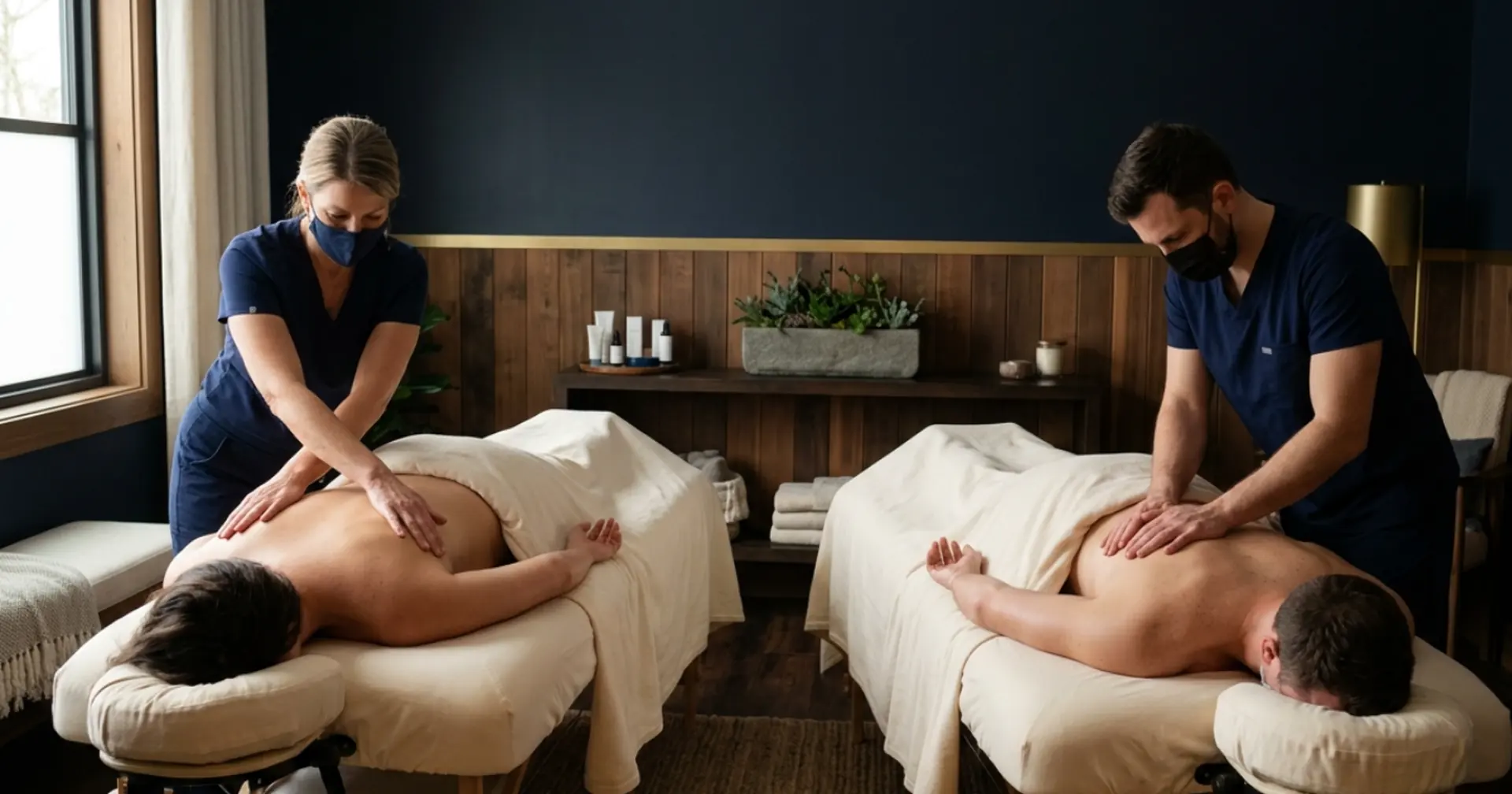
Swedish massage is usually the better choice when you want lighter or moderate pressure, flowing movements, and an overall calming session. Deep tissue massage may fit better when you prefer firmer, slower, more focused work on selected areas of tightness. Neither option is automatically better. The right choice depends on your goal, pressure preference, comfort, health history, and how focused you want the session to be.
At Healing Hands Holistic Care in Cedar Hill, both services can be adjusted through communication. You do not need to tolerate painful pressure to receive a useful session. Tell the provider what you want to focus on, what pressure normally feels comfortable, and whether anything has recently changed in your health.
Start with your pressure preference
Compare the two services, then choose the option that best matches how you want the session to feel.
Swedish Massage vs Deep Tissue at a Glance
The clearest difference is the overall approach. Swedish massage generally uses lighter to moderate pressure with broader, flowing work. Deep tissue massage generally uses slower, firmer, more concentrated work in selected areas.
| Compare | Swedish massage | Deep tissue massage |
|---|---|---|
| Main session goal | A calmer, more general massage experience | More focused work on selected areas of tightness |
| Typical pressure | Light to moderate | Moderate to firm, adjusted through feedback |
| Pace | Flowing and rhythmic | Slower and more deliberate |
| Area of focus | Often broader or full body | Often selected areas that need more attention |
| First visit fit | Often comfortable for people who prefer a gentler introduction | May fit first time clients who already know they prefer firm, focused pressure |
| Communication | Ask for lighter or firmer work at any time | Ask the provider to reduce pressure before discomfort becomes pain |
| After the session | Many people choose it when they want a calmer finish | Temporary sensitivity may occur after firmer work, but severe or worsening symptoms need attention |
Choose Swedish massage if your priority is a gentler pace, broader relaxation, or a lower pressure experience. Choose Deep Tissue massage if you want slower, firmer attention in specific areas and you are comfortable giving frequent pressure feedback.
What Is Swedish Massage?
Swedish massage is a broad massage style commonly associated with long, flowing strokes, kneading, and rhythmic movements. The pressure can range from light to moderate, so the service should not be treated as one fixed intensity.
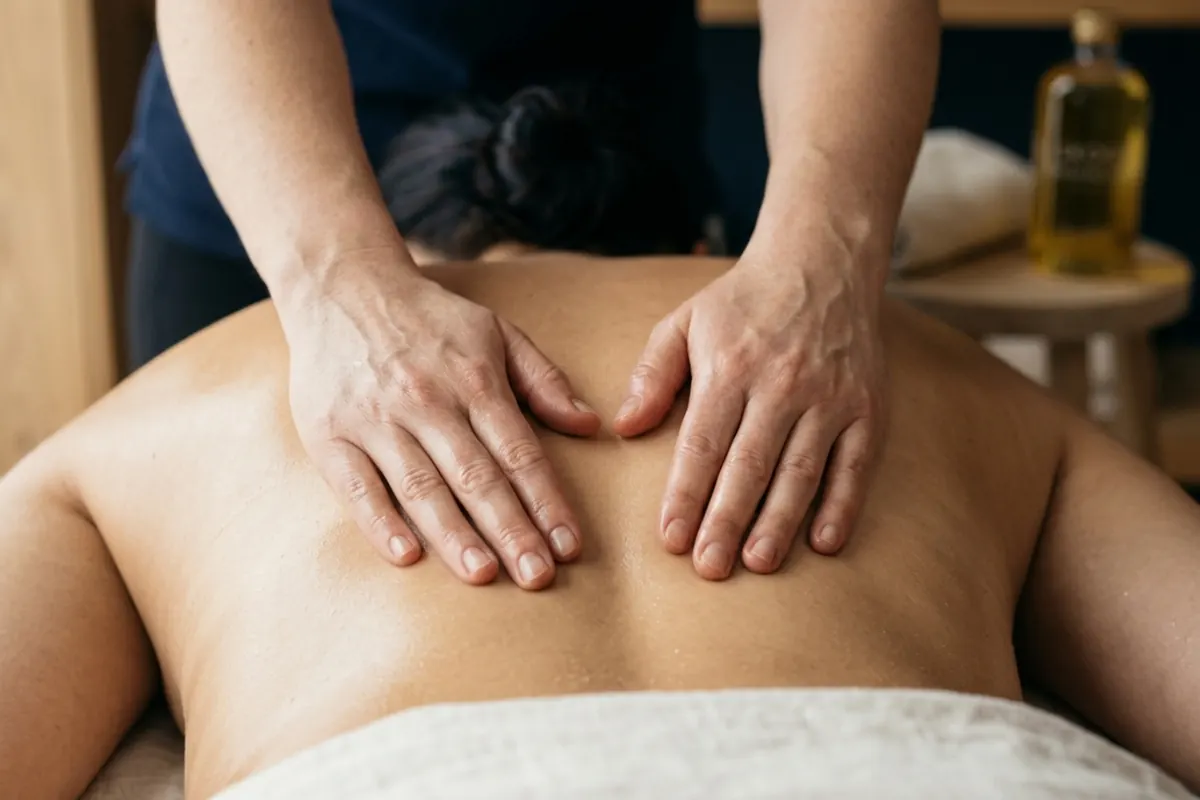
People often choose this style when they want a calm first visit, a general full body session, or a break from a busy routine. It may also suit someone who dislikes strong pressure or feels uncertain about how massage will feel.
The important point is not the name alone. A Swedish session should still be personalized. Before the massage begins, explain whether you want light pressure, moderate pressure, quiet time, attention to a few preferred areas, or a broad relaxation focused session. You can request a pressure change at any time.
Learn more about the local service on the Swedish Massage in Cedar Hill page.
What Is Deep Tissue Massage?
Deep tissue massage uses slower, more focused work and typically applies firmer pressure than a Swedish session. The provider may spend more time on selected areas instead of following the same broad routine across the whole body.
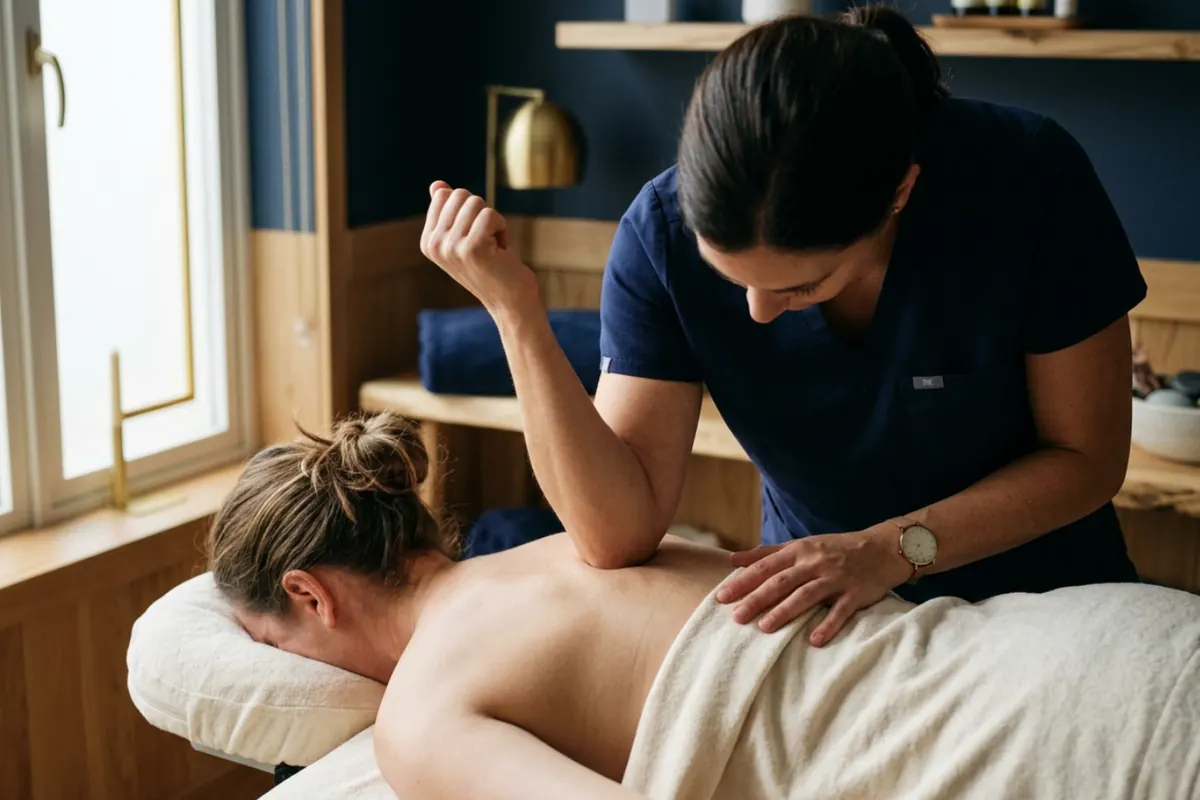
Firm pressure does not mean maximum pressure. A deep tissue session should stay within a level you can communicate about and tolerate without feeling that you must brace, hold your breath, or endure pain. More force is not proof that a session is more effective.
Research does not support treating massage as a guaranteed fix for pain or injury. A 2024 review mapped evidence for massage across painful adult health conditions and found that no conclusions reached high certainty. Most conclusions were supported by low or very low certainty evidence (Mak et al., 2024). That is why this page focuses on service selection and comfort instead of promising a medical outcome.
See how Healing Hands describes its local Deep Tissue Massage service.
Pressure Is Not a Test of Toughness
The right massage pressure is the level that matches your preference and allows useful communication. Deep tissue massage should not become a contest to see how much discomfort you can tolerate.

The American Massage Therapy Association states that clients have the right to consent to techniques and pressure, request adjustments at any time, and stop the massage. Use those rights. If an area feels sharp, alarming, numb, or unusually painful, tell the provider immediately instead of waiting for the feeling to pass.
Pressure can also change within the same visit. You might prefer moderate work across the shoulders, lighter pressure near a sensitive area, and firmer work elsewhere. That type of adjustment is one reason a brief intake conversation matters.
Which Massage Is Better for a First Time Client?
Swedish massage is often the easier first choice when you are unsure about pressure or want a calmer introduction. Deep tissue can still be appropriate for a first visit if you know you prefer firm work and are comfortable speaking up throughout the session.
Use three questions to decide:
- Do you want a broad, calming session or concentrated work in a few areas?
- Do you usually prefer light, moderate, or firm pressure?
- Are you comfortable asking for immediate changes if the pressure feels wrong?
If you are uncertain, start with the gentler option or tell the provider you want a moderate session that can be adjusted. You are not locked into one intensity because of the service name.
Which Massage Is Better for General Stress and Tension?
Swedish massage usually fits better when your main goal is an overall calming experience with flowing movement and lighter pressure. It is a practical choice when you want the session to feel broad rather than concentrated on one problem area.
Massage may help some people feel calmer, but the response varies. In a randomized trial involving people with generalized anxiety disorder, therapeutic massage was not superior to two comparison treatments, although all groups improved. Researchers suggested that a general relaxation response may have contributed (Sherman et al., 2010). This is a useful reminder to describe the experience honestly rather than promise a mental health result.
Choose the service based on how you want the session to feel. If you prefer quiet, lighter pressure, and a steady pace, say that during intake.
Which Massage Is Better for a Focused Tight Area?
Deep tissue massage may be the better fit when you want slower, firmer attention in a selected area and you tolerate that pressure well. It does not guarantee that a knot, pain condition, injury, or posture problem will be corrected.
Tell the provider where you notice tightness, when you notice it, and whether pressure or movement makes it worse. Avoid diagnosing the area yourself if you have new, severe, unexplained, or worsening symptoms. A qualified healthcare professional should evaluate health concerns that may need medical attention.
You can also ask the provider how much of the session would be devoted to that area. A focused visit may leave less time for a broad full body massage, so setting priorities before the session prevents disappointment.
Can Swedish and Deep Tissue Techniques Be Combined?
Broader flowing work and more focused firm work can sometimes be used in the same personalized session, but the final approach depends on the service booked, your goals, your health information, and the provider's professional judgment.
Do not assume that booking Swedish means every part of the session must stay light. Do not assume that booking Deep Tissue means every area must receive firm pressure. Explain the experience you want and ask what can reasonably fit into the appointment.
The Massage Therapy in Cedar Hill hub explains how Healing Hands starts with a brief consultation about pressure, focus areas, allergies, and sensitivities.
When Should You Ask a Healthcare Professional First?
Ask a qualified healthcare professional whether massage is appropriate if you have a recent procedure or injury, a fever, a health condition that affects massage safety, new unexplained symptoms, or another concern that could make pressure risky. Share relevant health information during intake.
The National Center for Complementary and Integrative Health says the overall risk of harmful effects appears low, but rare serious events have been reported. Some involved vigorous massage such as deep tissue work or people at increased risk of injury. NCCIH also advises people not to delay medical care because they are considering massage.
This does not mean every health condition prevents massage. It means safety decisions should use accurate information instead of guesswork. If you are not sure, pause and ask the appropriate healthcare professional before booking.
What to Tell the Provider Before Your Session
A short, specific intake is more useful than simply saying that you want a good massage. Give the provider information that can shape the session safely and comfortably.

- State whether your main goal is a calm full body experience or focused work in selected areas.
- Describe your preferred pressure as light, moderate, or firm.
- Identify any areas you do not want massaged.
- Share allergies, sensitivities, recent changes, procedures, injuries, or health guidance relevant to massage.
- Explain whether you want conversation, quiet, or regular pressure check ins.
- Speak up immediately if the pressure or positioning becomes uncomfortable.
These details help the provider understand your preferences. They do not require you to diagnose yourself or arrive with a perfect treatment plan.
How to Choose at Healing Hands Holistic Care
Choose Swedish Massage when you want a gentler, flowing, relaxation focused session. Choose Deep Tissue when you want slower, firmer, more concentrated work and feel comfortable giving pressure feedback.
If both descriptions sound useful, decide which goal matters most for this visit. You can discuss the pressure and focus before the session begins. The provider can explain what fits the service and appointment you select.
Ready to choose? Review the Swedish Massage and Deep Tissue Massage pages, then book your massage in Cedar Hill.
Frequently Asked Questions
Deep tissue massage may feel firm or intense, but you should not feel pressured to endure pain. Tell the provider if you start bracing, holding your breath, or feeling sharp, alarming, or unusual sensations. The pressure can be reduced or the approach can be changed. AMTA guidance supports a client's right to request pressure changes at any point and to stop a massage.
Swedish massage is not limited to feather light pressure. It commonly ranges from light to moderate and can be adjusted according to comfort. Its broader, flowing approach fits people who want a calmer session or a gentler first experience. Usefulness depends on your goal and response, not on choosing the strongest possible pressure.
Deep tissue massage may suit someone who wants slower, firmer attention in a selected area, but the term knot is informal and does not identify a medical diagnosis. Massage should not be presented as a guaranteed correction for pain, injury, or posture. Seek healthcare guidance for new, severe, unexplained, or worsening symptoms before relying on massage.
Yes. Pressure should be adjusted through feedback during the session. You can request lighter or firmer work, ask the provider to avoid an area, change positioning, or stop. Giving feedback is not an interruption. It is part of informed consent and helps keep the session aligned with your comfort.
Choose Swedish Massage if you want the gentler starting point. Choose Deep Tissue if you already prefer firm, focused pressure. If the choice still feels unclear, compare the two service pages and contact Healing Hands before booking. Explain your pressure preference and whether you want broad relaxation or focused work, without asking the provider to diagnose a condition.
Choose the massage that matches your goal
The best choice is the session that matches your goal and pressure preference, not the service with the strongest name. Compare Swedish and Deep Tissue, share relevant health information, and speak up throughout the visit.
References
- National Center for Complementary and Integrative Health. Massage Therapy: What You Need To Know. Last content update May 2019.
- American Massage Therapy Association. What to Expect at Your Massage Session. Accessed August 14, 2026.
- Mak S, Allen J, Begashaw M, et al. Use of Massage Therapy for Pain, 2018 to 2023: A Systematic Review. JAMA Network Open. 2024. PMID 39008297.
- Sherman KJ, Ludman EJ, Cook AJ, et al. Effectiveness of Therapeutic Massage for Generalized Anxiety Disorder: A Randomized Controlled Trial. Depression and Anxiety. 2010. PMID 20186971.
- Koren Y, Kalichman L. Deep Tissue Massage: What Are We Talking About? Journal of Bodywork and Movement Therapies. 2018. PMID 29861215.