
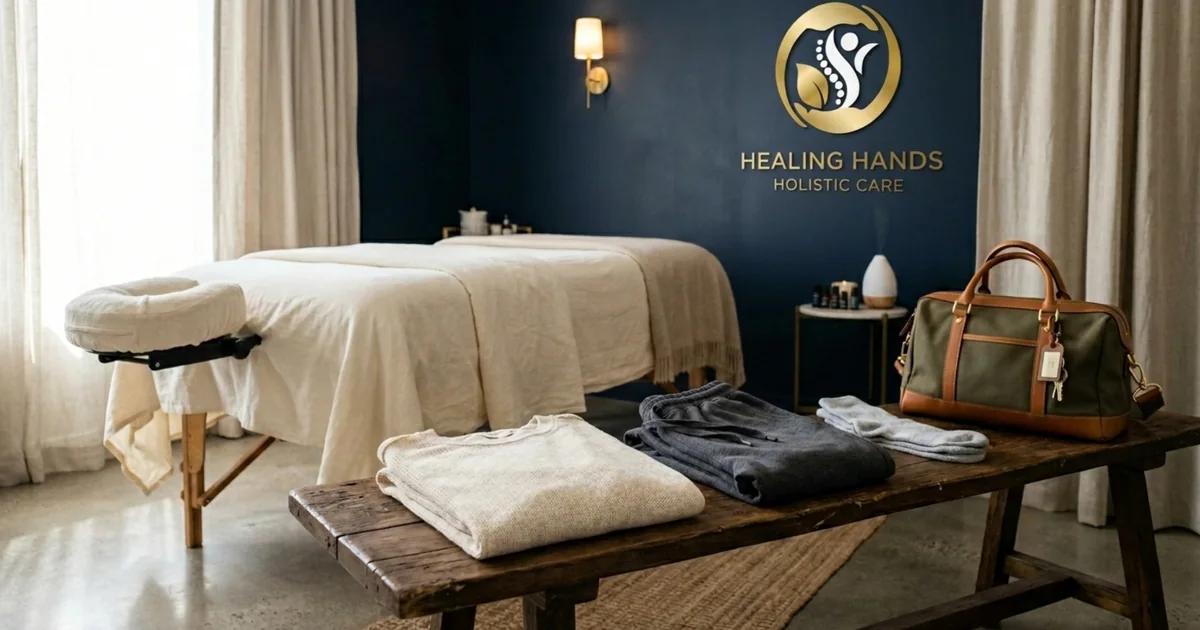
Wear loose, comfortable clothing that is easy to change in and out of, such as joggers, leggings, soft shorts, or a relaxed shirt. During a table massage, you decide how much clothing to remove. You may keep your underwear on, keep more clothing on, or ask how the session can be adjusted around what you choose to wear.
Privacy and consent matter more than any outfit. A professional massage session should give you private time to change, appropriate draping, and a clear way to speak up about pressure, areas to avoid, temperature, or anything else affecting your comfort.
What Should You Wear Before a Massage?
Choose simple, comfortable clothes that feel good before the appointment and are easy to put back on afterward. You do not need a spa outfit or anything formal. A soft shirt with joggers, leggings, loose shorts, or relaxed pants works well for most visits.

Think about the whole appointment, not only the time on the table. Tight denim, complicated fasteners, many layers, or restrictive waistbands can make changing slower. They may also feel less comfortable when you get dressed again. Slip on shoes can make the final transition easier, but your usual shoes are fine if they are comfortable.
Keep jewelry and valuables simple. A watch, necklace, bracelet, large earrings, or bulky hair accessory may need to come off depending on the areas being addressed. Leaving nonessential valuables at home reduces the chance of forgetting them in the treatment room.
If you wear perfume or scented lotion, consider using less before the visit. Massage products may already have a scent, and some people are sensitive to fragrance. Tell the provider about known allergies or sensitivities during the intake conversation. The American Massage Therapy Association also advises clients to disclose allergies to oils or lotions before a session (AMTA, 2026).
Do You Have to Undress for a Massage?
No. You only remove clothing to your personal comfort level, and you can choose to keep underwear or additional clothing on. The provider should explain what the selected service usually involves and how the session can be adjusted around your boundaries.
For a table based session such as Swedish massage or Deep Tissue massage, access to the area being worked on can affect how a technique is applied. That does not remove your choice. If you prefer to keep a garment on, say so before the session begins. The provider can discuss what is practical and agree on a comfortable approach.
You should receive private time to change. The AMTA states that the massage therapist should leave the room while a client changes and that the client should remove only as much clothing as feels comfortable. The client then lies under the provided sheet or towel (AMTA, 2026).
There is no award for removing more clothing than you want. Clear communication leads to a better first visit than guessing, staying quiet, or accepting a setup that makes you uneasy.
How Does Professional Draping Protect Your Privacy?
Professional draping keeps the body covered while allowing access only to the area currently being addressed. A sheet, towel, or blanket stays in place over the rest of the body. You can ask how draping will work before you change.
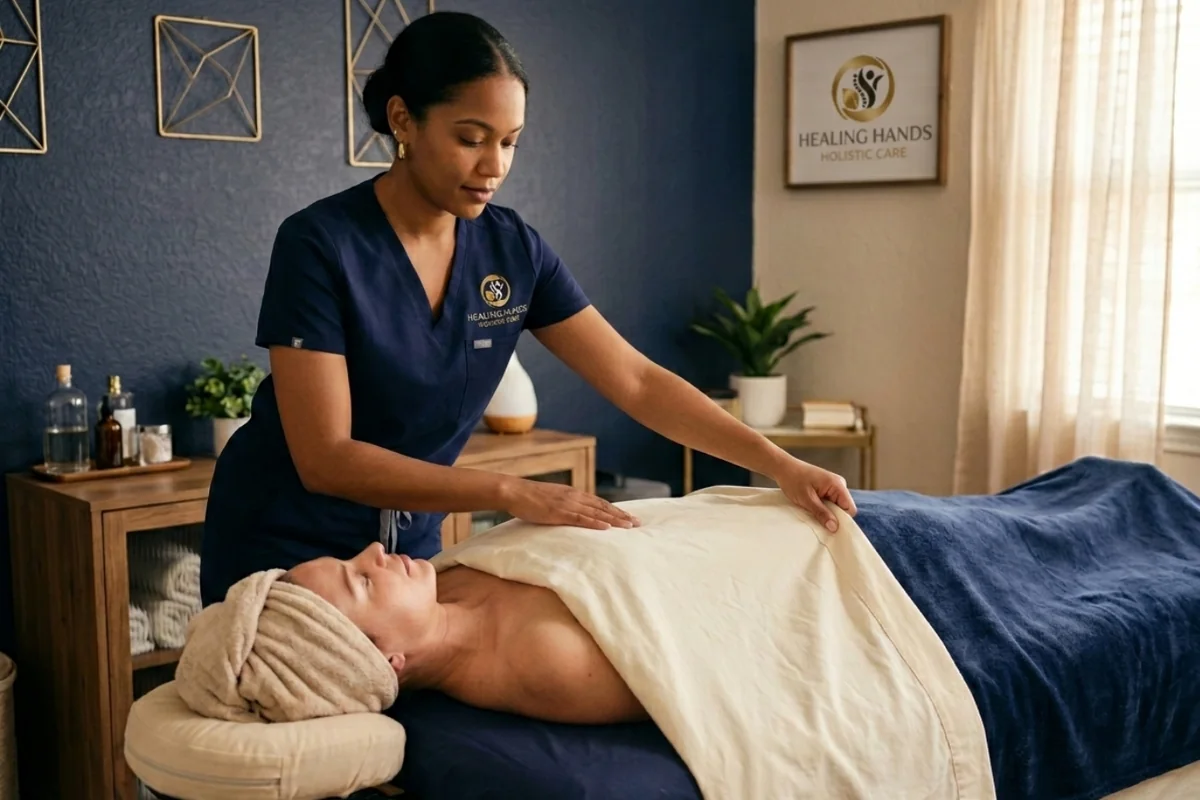
Texas rules give this topic specific weight. The Texas Department of Licensing and Regulation requires an initial consultation before a first massage session. Its establishment reference guide says the consultation document must address the planned service or techniques, areas to be addressed or avoided, required draping statements, and the client's right to ask that the massage stop if the client feels uncomfortable (TDLR, 2026).
The same guide states that the genital area and gluteal cleavage must remain draped throughout the session. It also requires specific written consent rules related to breast massage for female clients (TDLR, 2026). This page is general preparation information, not legal advice, but these rules show why a professional visit should have a clear consultation and boundaries.
If something feels wrong, speak up immediately. You may request a draping adjustment, ask the provider to avoid an area, change the pressure, or end the session. Consent applies throughout the appointment, not only when the intake form is signed.
What Should You Wear for Different Massage Services?
Your clothing choice depends more on the service format and your comfort than on a fixed dress code. If you are unsure, contact the practice before your Cedar Hill appointment and ask what the selected service usually requires.
Swedish Massage
For Swedish massage, arrive in loose everyday clothing and decide your level of undress in private. The session uses flowing, relaxation focused work, while the provider adjusts the approach around your comfort and draping. Visit the Swedish Massage page to decide whether lighter pressure fits your goal.
Deep Tissue Massage
For Deep Tissue massage, wear comfortable clothing to the appointment and discuss the focus area before changing. Keeping underwear or more clothing on is your choice. The provider can explain whether clothing affects access to a selected area and adjust the plan. Visit the Deep Tissue Massage page if you prefer firmer, more focused pressure.
Sports or Focused Work
For a sports focused visit, flexible clothing may help during the intake or if the provider needs to observe comfortable movement. The exact setup depends on what has been booked. Do not assume that every sports session stays fully clothed. Ask first, then bring or wear flexible clothes if requested.
If you still do not know which service to select, start with the Massage Therapy guide. It explains pressure and focus options without forcing you to choose based on a service name alone.
What Happens When You Arrive for Your First Massage?
Your first visit should begin with an intake and a short conversation, followed by private changing time and a session based on the choices you discussed. Healing Hands Holistic Care uses a digital intake form and a brief consultation to discuss pressure preferences, focus areas, allergies, sensitivities, and relevant safety information.
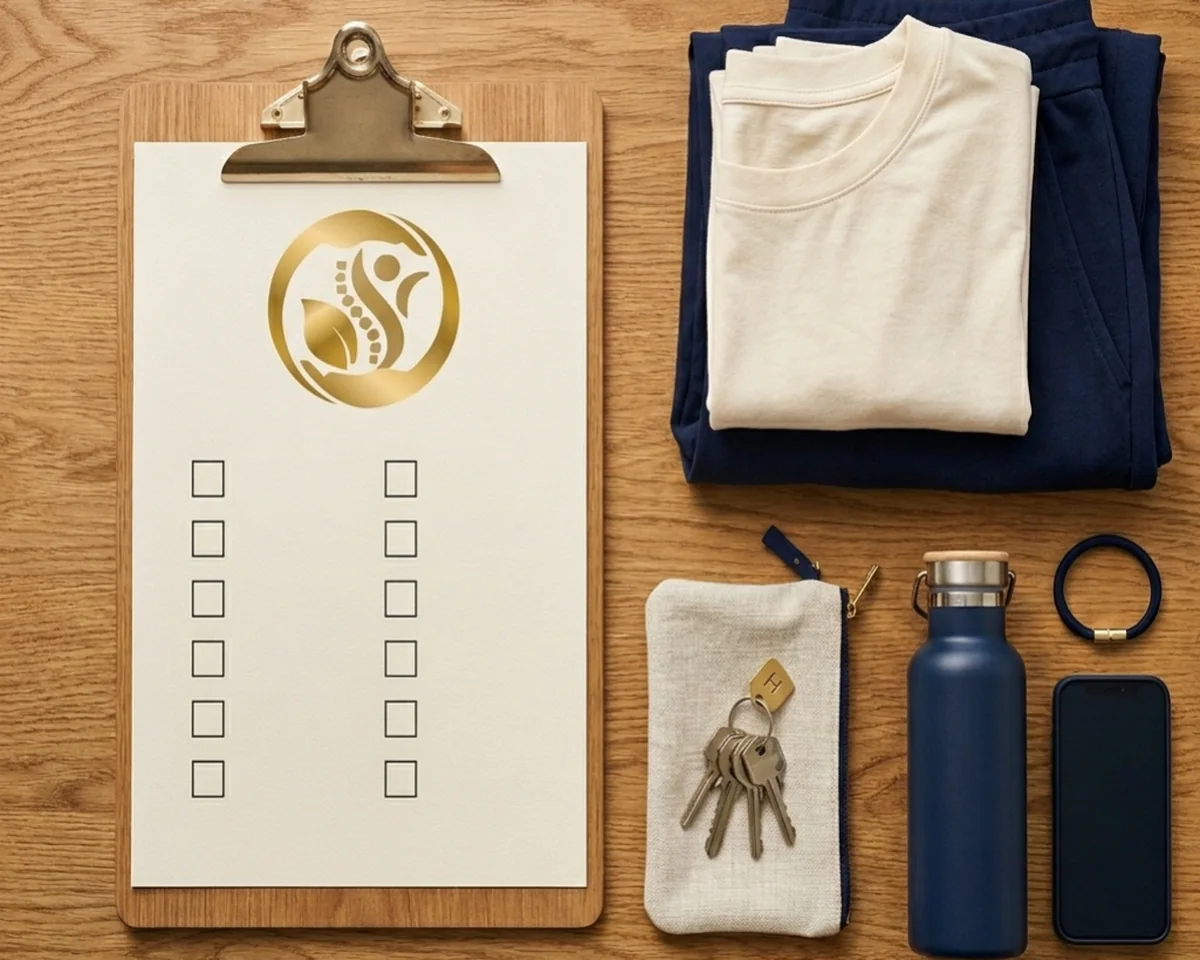
Use this five step checklist:
- Complete the intake honestly and mention allergies, sensitivities, a recent procedure, an injury, a health condition, or new symptoms that may affect whether massage is appropriate.
- Confirm the selected service, preferred pressure, focus areas, and any areas you do not want addressed.
- Ask how to position yourself, which clothing you may keep on, and how the draping will work.
- Change in private, place valuables together, and get under the provided covering before the provider returns.
- Speak up during the session if you want a change in pressure, temperature, music, conversation, positioning, draping, or the session itself.
The goal is not to follow a secret set of spa rules. The goal is to make informed choices and feel respected from arrival through departure. If a health condition, recent procedure, injury, or new symptom creates uncertainty, ask a qualified healthcare professional whether massage is appropriate before booking.
Ready for a comfortable first visit?
Review your massage options, then book the service that fits your pressure preference and comfort level.
What Should You Wear After a Massage?
Put on the same loose, comfortable clothes you wore to the appointment, then take your time gathering your belongings. You should receive privacy to dress after the session. Check for jewelry, a phone, keys, glasses, and hair accessories before leaving.
Clothing does not need to support a promised physical outcome. It simply needs to feel comfortable and make the trip home or back to your day easy. If massage product reaches the edge of a garment, mention it before dressing so the provider can offer a towel.
Before leaving Healing Hands Holistic Care in Cedar Hill, ask any practical follow up questions you still have. You can also discuss whether the pressure and service style felt right for a future appointment. Results and comfort responses vary, so a future session should be based on your preferences and feedback, not a fixed schedule.
Frequently Asked Questions
Yes. You may keep your underwear on, and you may keep more clothing on if that feels better. Tell the provider what you prefer before the session starts. Clothing can change how certain techniques are applied to a selected area, but it does not cancel your right to choose. A professional provider should explain the options, use appropriate draping, and adjust the plan within the agreed service.
No. You decide whether to keep your bra on. If you leave it on, tell the provider so the session can be planned around it. You can also ask how back, shoulder, or neck work would be adjusted. Do not remove a garment because you think it is required. Ask for a clear explanation, choose what feels comfortable, and confirm any areas you want avoided.
Yes, professional draping should cover your body except for the area currently being addressed. AMTA describes appropriate draping with a sheet, towel, or blanket, while Texas rules include specific draping requirements. Ask the provider to explain the setup before you change. If a drape shifts or you feel exposed, request an adjustment immediately or ask to stop the session.
Avoid clothing that is difficult to change in and out of, excessive jewelry, and nonessential valuables. Strong fragrance may also be uncomfortable for fragrance sensitive people. These are practical suggestions, not strict rules. Your normal clothes are acceptable if they feel comfortable. If you are coming from work, bring a simple change of clothes rather than worrying about arriving in the perfect outfit.
Wear comfortable clothing, complete the intake honestly, and arrive with enough time to ask questions without feeling rushed. Confirm the service, pressure preference, focus areas, and boundaries before changing. Healing Hands Holistic Care serves Cedar Hill from 610 Uptown Blvd, Suite 4200. You can review the Massage Therapy options or book online when you are ready.
Ready to Choose Your Massage?
You do not need a special outfit or prior spa experience to prepare well. Wear something comfortable, decide your boundaries, and ask questions before the session begins. Review the massage options, then book the service that best matches your pressure preference and first visit goals.
Massage is a wellness service and is not a substitute for medical evaluation, diagnosis, or treatment. If you have a health condition, recent procedure, injury, or new symptoms, ask a qualified healthcare professional whether massage is appropriate.
References
- American Massage Therapy Association. What to Expect at Your Massage Session. Accessed August 14, 2026.
- Texas Department of Licensing and Regulation. Massage Establishment Reference Guide, Form MAS020. Accessed August 14, 2026.
- Texas Department of Licensing and Regulation. Massage Consumer Protection. Accessed August 14, 2026.
- Texas Department of Licensing and Regulation. Commission Readopts Massage Therapy Rules. March 13, 2026.
- Google Search Central. A New Resource for Optimizing for Generative AI in Google Search. May 15, 2026.